
Let’s be honest: the term “cold outreach” can make you cringe. We’ve all received those generic, robotic emails that get deleted instantly. But what if I told you that outbound lead generation, when done right, is one of the most effective ways to build genuine relationships and accelerate growth? The secret is to stop thinking about volume and start thinking about value. A successful strategy isn't about blasting a list; it's about identifying the perfect customers, understanding their specific challenges, and starting a helpful conversation. This article breaks down the process for creating a scalable outbound system that feels personal and drives predictable revenue.
Key Takeaways
- Build your strategy on a strong ICP: Before any outreach, define the exact companies and people you want to reach, including their specific challenges and buying signals, to make every message relevant.
- Engage prospects with personalized, multi-channel outreach: Combine email, social media, and phone calls to connect with buyers where they are. Focus every message on solving their specific problems, not just listing your product's features.
- Use data to constantly optimize your approach: Track key metrics like qualified meetings booked and pipeline value to understand what is working. Use these insights to refine your messaging and targeting for more predictable results.
What Is Outbound Lead Generation?
Outbound lead generation is the process of proactively finding and contacting potential customers. Instead of waiting for leads to discover you through your website or content, your sales team initiates the conversation. This approach gives you direct control over who you target and when you reach out. It all starts with a deep understanding of your Ideal Customer Profile (ICP), allowing you to build a targeted list of prospects who are a perfect fit for your solution. From there, it’s about starting a meaningful conversation that shows you understand their challenges and can offer a real solution.
How Does It Work?
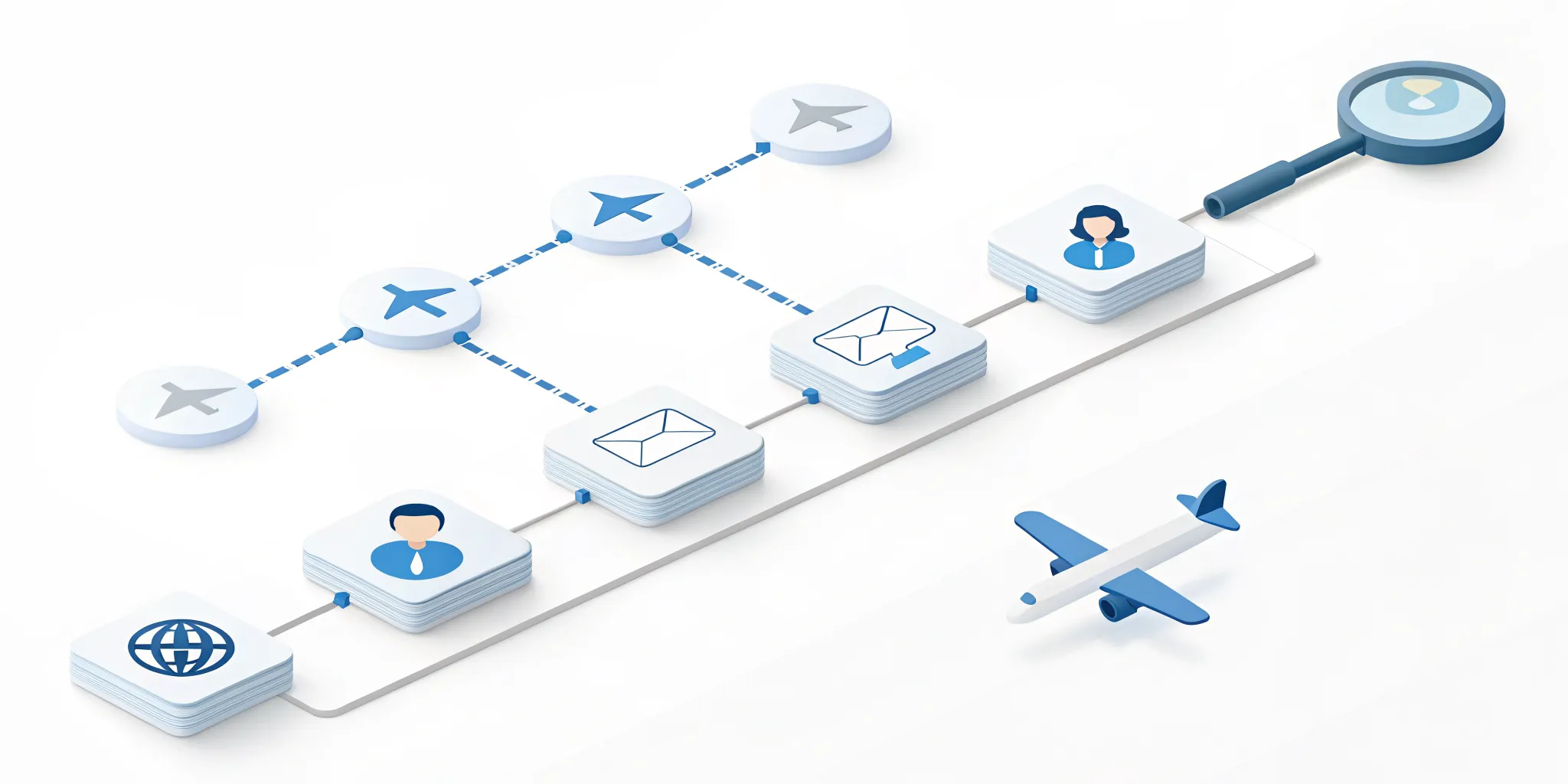
A successful outbound strategy follows a clear, repeatable process. First, you identify your ideal customers and build a list of qualified leads who match that profile. The key is to ensure these prospects are a good fit before you ever reach out. Next, you engage them through a multi-channel sequence that might include personalized emails, LinkedIn messages, and phone calls. The goal isn't to pitch your product right away, but to offer value and show how you can solve their specific problems. By using proven frameworks for this outreach, you can consistently set appointments with qualified buyers who are genuinely interested in learning more.
Outbound vs. Inbound: What's the Difference?
The main difference between outbound and inbound lies in who initiates the contact. With inbound marketing, customers find you through content like blog posts, webinars, or search engines. It’s a magnetic approach that pulls prospects toward you over time. Outbound, on the other hand, is a proactive strategy where you go directly to the customer. While inbound is excellent for building long-term brand trust, outbound delivers faster results and gives you precise control over your targeting. A strong Go-To-Market consulting strategy often combines both, using outbound to fill the pipeline quickly while inbound builds a sustainable, long-term engine for growth.
Which Industries Benefit Most From Outbound?
While outbound strategies can be adapted for almost any B2B company, they are especially powerful in certain sectors. If your business involves high-value contracts, complex sales cycles, or a very specific customer profile, outbound is likely your most direct path to revenue. It’s about proactively starting conversations with the exact companies you want to work with, rather than waiting for them to find you.
This approach is a game-changer for industries where potential buyers aren't actively searching for a solution because they're either too busy or unaware a better way exists. By reaching out, you’re not just selling; you’re educating and creating opportunities. Let's look at a few industries where a well-executed outbound strategy consistently delivers results and helps companies build a predictable sales pipeline.
Technology and SaaS
For tech and SaaS companies, outbound lead generation is practically a perfect match. Your solutions often solve complex problems that potential customers may not even realize they have. Instead of waiting for them to search for a fix, outbound allows you to go out and find your perfect customer and start a conversation. This direct approach lets you connect with key decision-makers, educate them on the value you provide, and demonstrate how your product can solve their specific pain points. It’s the fastest way to get your innovative solution in front of the people who need it most, creating a direct line between your product and the market.
Finance and Healthcare
In industries like finance and healthcare, decision-makers are notoriously busy and operate within highly regulated environments. They aren't typically browsing for new software or services. This is where outbound shines. A targeted, respectful outreach strategy can effectively cut through the noise. By reaching out directly, you can introduce your offerings in a way that respects their time and highlights immediate value. It allows you to create awareness and build trust with potential clients who might otherwise never discover your solution. For these high-stakes industries, a personal introduction is often more effective than any broad marketing campaign.
Niche Markets and Early-Stage Startups
If you’re an early-stage startup or serve a very specific niche market, outbound is your best friend. When your target market is small and well-defined, outbound allows you to connect with nearly every potential buyer directly, something inbound marketing struggles to do efficiently. For startups, outbound is critical for getting those first crucial sales and, just as importantly, gathering direct feedback to refine your product and messaging. It provides a clear, actionable path to generating initial traction and validating your market fit before you have a widely recognized brand, giving you the momentum needed to accelerate revenue growth.
Define Your Ideal Customer Profile (ICP)
Before you send a single email or make one call, you need to know exactly who you’re trying to reach. A successful outbound strategy is built on focus, and that focus comes from a crystal-clear Ideal Customer Profile (ICP). An ICP is a detailed description of the perfect-fit company for your product or service. Without one, you’re just shouting into the void, hoping someone who needs you happens to hear. A vague target like “B2B tech companies” isn’t enough; it leads to generic messaging and wasted resources.
A strong ICP goes beyond basic company information. It combines firmographic and demographic data with behavioral signals to create a complete picture of your target. This allows you to identify not only which companies are a good fit, but also when they are most likely to need your solution. Building this profile is the first and most critical step in creating a scalable sales playbook. It ensures your team spends its time engaging high-potential accounts that are ready to talk. This foundational work is central to the data-driven process we use to help companies accelerate growth.
Firmographic and Demographic Data
Let's start with the fundamentals. Firmographic and demographic data answer the basic questions of "who" and "where." Firmographics describe the company itself, including its industry, annual revenue, employee count, and geographic location. Demographics describe the people within that company, such as their job titles, seniority level, and department. Getting specific here is key. Instead of just "SaaS," you might target "Series B SaaS companies with 50-200 employees in the fintech sector."
It’s also crucial to map out the entire buying committee. A B2B purchase decision rarely involves just one person. You need to identify all the key players, like the economic buyer who holds the budget, the champion who advocates for your solution internally, and the end-users who will work with your product every day. A great outbound strategy accounts for these different roles and tailors messaging to address each person's unique priorities and pain points.
Behavioral and Technographic Signals
Once you know the type of company and people to target, the next layer is understanding their current behavior and technology stack. Technographic data reveals the software and tools a company already uses. This information is a goldmine. For example, if a prospect uses a complementary technology, it could signal a perfect integration opportunity. If they use a competitor's product, you can tailor your outreach to highlight your key differentiators and target their known weaknesses.
Behavioral signals show you how prospects are interacting with your brand. Are they visiting your pricing page, downloading a whitepaper, or engaging with your posts on LinkedIn? These actions indicate interest and help you prioritize which leads are "warm" and ready for a conversation. Combining technographic and behavioral data helps you move from a static list of companies to a dynamic group of prospects who are actively showing signs of interest.
Prospecting with Buying Signals
The most effective outreach feels timely and relevant, not random. This is where buying signals come in. Buying signals are external events that indicate a company may have a new need or be ready to invest in a solution like yours. Instead of waiting for them to find you, you can proactively reach out the moment a window of opportunity opens. This approach, often called signal-based prospecting, transforms your outreach from a cold interruption into a helpful suggestion.
Common buying signals include a recent funding announcement (new budget), hiring for key roles (new initiatives), or a change in executive leadership (new strategy). Other triggers could be a product launch, an acquisition, or expansion into a new market. By tracking these events, you can craft highly contextual messages that speak directly to what’s happening inside their business right now. For instance, reaching out to a newly hired VP of Sales with a tool to help them hit their first-quarter goals is far more powerful than a generic pitch.
Effective Outbound Lead Generation Strategies
Once you have a clear picture of your Ideal Customer Profile (ICP), you can start reaching out. The most effective outbound programs don't rely on a single channel. Instead, they use a mix of strategies to connect with prospects wherever they are. This multi-channel approach creates more touchpoints and builds familiarity, making your outreach feel less like a cold interruption and more like a helpful conversation.
Think of these strategies as different tools in your toolkit. Some are great for casting a wide net, while others are better for highly targeted, personal engagement. The key is to choose the right combination of tactics that align with your ICP, your product, and your team's strengths. Let's walk through some of the most proven outbound strategies for tech companies.
Cold Email Outreach
Cold email is a cornerstone of many outbound strategies, and for good reason. It’s scalable, cost-effective, and allows you to reach decision-makers directly in their inbox. However, a successful campaign is about much more than just sending a mass message. Your emails need to cut through the noise by being highly personalized and value-driven. Instead of listing your product’s features, focus on how your solution can specifically address a pain point or help the prospect achieve one of their goals. Research your prospect and reference their company, role, or a recent trigger event to show you’ve done your homework. A well-crafted email feels like a one-to-one message, not a blast to thousands.
Cold Calling
In an age of digital everything, a direct phone call can make a powerful impression. Cold calling is still incredibly effective because it creates a personal, human connection that email or social media can't always replicate. A single conversation allows your sales reps to ask questions, listen to challenges, and gather valuable insights in real time. It’s a direct line to understanding your prospect's world. While the idea of calling someone unannounced can be intimidating, framing it as a discovery conversation rather than a hard pitch makes all the difference. For B2B companies, it remains a highly efficient way to qualify leads and book meetings with key stakeholders.
LinkedIn and Social Selling
Social selling involves using platforms like LinkedIn to find, connect with, and nurture prospects. This isn't about sending spammy connection requests or pitching in your first message. It’s about building your professional brand, sharing valuable content, and engaging in meaningful conversations to build trust over time. Your sales development reps (SDRs) can use LinkedIn to identify key contacts, understand company dynamics, and find the perfect moment to reach out. For this to work, your sales and marketing teams must be aligned, ensuring a consistent message across all channels. This cross-functional approach is central to building a scalable Go-To-Market strategy that turns connections into customers.
Paid Ads and Retargeting
While often associated with inbound, paid advertising like Pay-Per-Click (PPC) campaigns can be a powerful outbound tool. These ads are considered outbound because they appear in front of users who aren't actively searching for your brand. You are initiating the contact by placing your message in their social feeds or on websites they visit. The key to making this strategy work without breaking the bank is hyper-specific targeting. You need to ensure your ads are only shown to audiences that closely match your ICP. Retargeting is a crucial part of this; it allows you to serve ads to people who have already visited your website, keeping your brand top-of-mind as they move through their decision-making process.
Direct Mail
Sending something physical in the mail is a fantastic way to stand out in a digitally saturated world. A thoughtful letter, a small branded gift, or a creative flyer can capture attention in a way an email simply can't. Direct mail is particularly effective for high-value accounts or as a follow-up touch in a multi-channel sequence. It shows extra effort and can create a memorable, positive experience for the prospect. This strategy isn't about mass mailings; it's about targeted, creative outreach designed to make a specific person feel valued. It works especially well when you want to re-engage a happy customer for an upsell or referral, reminding them of the great service you provide.
How to Make Outreach Feel Human at Scale
Scaling your outbound efforts doesn't mean you have to sound like a robot. It’s a common trap: as you increase volume, the personal touch often gets lost, and prospects can spot a generic, automated message from a mile away. This is where many outbound strategies fail. The secret isn't to eliminate automation; it's to use it smartly. Technology should handle the repetitive, time-consuming tasks so your sales team can focus on what they do best: building genuine connections and having meaningful conversations.
When you create a system that combines efficiency with authentic personalization, you build a scalable process that feels human. It’s about showing your prospects that you see them as more than just a name on a list. You understand their business, recognize their challenges, and have a solution that can actually help. This approach not only improves response rates but also lays the foundation for stronger, more valuable customer relationships. It’s a core part of a modern, data-driven sales playbook that turns cold outreach into warm opportunities.
Go Beyond First-Name Personalization
Let’s be honest, simply inserting a prospect’s first name into a template isn’t fooling anyone. That’s the bare minimum, and buyers see right through it. To truly stand out, you need to go deeper. Real personalization shows you’ve done your homework. It proves you’re not just blasting out another generic email but have taken the time to understand their specific context.
Instead of just using a name, reference something specific you found on their website, a recent company announcement, or a point they made in a blog post. This approach of personalizing at scale shows exactly how your product helps their specific business right now. It immediately changes the dynamic from a cold pitch to a relevant conversation and demonstrates genuine interest from the very first touchpoint.
Address Specific Pain Points
The fastest way to get your email deleted is to lead with a pitch about your product's features. Your prospects don't care about your product; they care about their problems. Your outreach should reflect that. Frame your message around the challenges they are likely facing and show them you have a way to solve them. This requires a solid understanding of your Ideal Customer Profile (ICP) and what keeps them up at night.
Instead of just asking for a meeting, offer value by connecting your solution directly to their pain. For instance, if you notice they are hiring a new sales team, you could mention the common onboarding challenges that come with rapid growth and briefly explain how you help other companies solve that exact issue. This positions you as a helpful expert, not just another salesperson.
Act on Trigger Events and Buying Signals
Timing can be the single most important factor in outbound success. Reaching out to a company at the exact moment they need your solution is the ultimate way to make your outreach feel relevant and personal. This is where signal-based prospecting comes in. By tracking key "buying signals," you can prioritize accounts that are actively showing signs of purchase intent.
These triggers can include events like a new round of funding, hiring for key roles in your target department, new executive leadership, or a product expansion into a new market. When you see a signal, you can tailor your outreach to that specific event. For example, "Congratulations on your Series B! As you prepare to scale your sales team, I thought you might find this resource on building a repeatable playbook helpful." This makes your message timely, relevant, and incredibly effective.
Balance Automation with a Personal Touch
Automation is a powerful tool for efficiency, but it should never fully replace the human element. The goal is to use technology to create more time and space for genuine, one-to-one interactions. A great way to do this is by building multi-channel sequences that combine automated touchpoints with manual, personalized steps. Your sales development reps (SDRs) can work with marketing to coordinate outreach across email, LinkedIn, and phone calls.
For example, you might automate the first two emails in a sequence but then create a manual task for the SDR to send a personalized LinkedIn connection request referencing a shared connection or recent post. This omnichannel approach keeps you top of mind without overwhelming the prospect. It’s about building relationships and providing value at every step, ensuring that when the prospect is ready to buy, you’re the first person they call.
Your Outbound Lead Generation Toolkit
Having the right strategy is one thing, but executing it efficiently requires the right set of tools. Your outbound tech stack doesn't need to be complicated, but it should support your team by automating repetitive tasks and providing the data needed to make smart decisions. Think of this as the essential toolkit for building a scalable outbound machine. A well-integrated set of tools is a core part of the proven frameworks we use to help tech companies grow. Let's look at the key categories.
CRM Systems
Think of your Customer Relationship Management (CRM) system as the brain of your entire sales operation. It’s the central hub where all your lead and customer information lives. Platforms like HubSpot and Salesforce are essential for keeping your team organized and effective. A CRM helps you track every interaction, from emails to calls, giving you a complete picture of your relationship with a prospect. This allows you to manage your sales process, see where every lead is in your pipeline, and analyze performance to understand what’s working and what isn’t. Without a solid CRM, you’re flying blind.
Data and Prospecting Platforms
If your CRM is the brain, then data platforms are the eyes and ears. You can’t reach out to your Ideal Customer Profile if you don’t know who they are or how to find them. This is where data and prospecting tools like Clay, Apollo, and ZoomInfo come in. These platforms are crucial for building high-quality lead lists filled with accurate contact information. More importantly, they provide the rich firmographic and technographic data you need to personalize your outreach effectively. Using these tools helps you move beyond generic templates and tailor your message based on a prospect's company size, industry, or even the technology they currently use.
Sales Engagement Software
Once you have your contacts, how do you reach out to them at scale without losing the human touch? That’s the job of sales engagement software. Tools such as Instantly, Smartlead, and Lemlist allow your sales team to execute multi-touch outreach campaigns with incredible efficiency. You can build and send automated email sequences, make calls, and connect on social media, all from one place. The real power of these platforms is their ability to blend automation with personalization. This makes it easier to follow up consistently and reach a larger number of leads while ensuring each person still feels like they’re getting a message written just for them.
Intent Data and Signal Tools
Intent data is your secret weapon for prioritizing outreach. It helps you answer the most important question in sales: who is ready to buy right now? Tools like Bombora and G2 are designed to help you identify buying signals from potential customers. These signals could be anything from a company searching for keywords related to your solution to an executive reading reviews of your competitors. By tapping into this data, you can focus your team’s energy on prospects who are actively in-market. This insight guides your outreach strategy, allowing you to connect with the right person with the right message at the perfect time, dramatically improving your conversion rates.
Best Practices for Outbound Lead Generation
With your strategy and tools in place, it’s time to focus on execution. These best practices will help you run effective outbound campaigns that generate real results, not just noise. It’s about working smarter, staying consistent, and ensuring your teams are moving in the same direction. By integrating these habits into your workflow, you can turn a good outbound strategy into a great one that consistently delivers qualified leads and drives revenue growth for your tech company.
Prioritize High-Quality Data
Your outbound efforts are only as good as the data you use. Starting with a messy or inaccurate list is like trying to navigate without a map; you’ll waste time, resources, and energy reaching out to the wrong people. Before you launch any campaign, build a clean, verified data list using B2B intelligence tools. More importantly, make sure this data aligns perfectly with your Ideal Customer Profile (ICP). If you don't have a deep understanding of your customer, even the most verified contact information won't lead to a sale. High-quality data isn't just about accurate emails and phone numbers; it's about targeting the right companies and the right individuals within them.
Build Multi-Channel Sequences
Don't put all your eggs in one basket. Relying solely on cold email or LinkedIn messages is a common mistake that limits your reach and effectiveness. Instead, execute multi-channel sequences that engage prospects across different platforms. A strong sequence combines value-driven emails, social touchpoints on LinkedIn, and strategic phone calls. A good rule of thumb is to plan a sequence of 12 to 18 touches over a 20 to 30-day period. This approach keeps you top-of-mind without overwhelming your prospect, showing that you’re thoughtful and persistent. This is a core part of the strategic consulting we provide to help teams build scalable outreach systems.
Stay Persistent with Follow-Ups
Many sales teams give up far too soon. Research shows that most meetings are booked after five to eight touchpoints, yet the average salesperson stops after just two. Don't let your hard work go to waste by failing to follow up. Persistence pays off, but it needs to be strategic. Each follow-up is another opportunity to provide value, share a relevant insight, or address a potential pain point. Create a follow-up plan as part of your sequence and stick to it. This simple discipline can dramatically separate you from the competition and ensure you’re there when a prospect is finally ready to engage.
Align Sales and Marketing
Silos between sales and marketing are a major roadblock to outbound success. When these teams don't communicate, marketing can generate leads that aren't a good fit, wasting the sales team's valuable time. True alignment means both teams agree on the ICP, share insights, and work from a unified playbook. Marketing can warm up prospects with targeted content and ads, while sales provides real-time feedback from the front lines. This collaborative loop ensures your messaging is consistent and your efforts are focused on the same goal: generating revenue. Fostering this cross-functional alignment is key to building a scalable and efficient growth engine.
Common Outbound Mistakes to Avoid
You’ve built your lists, crafted your messaging, and launched your first outbound campaign, only to be met with discouragingly low response rates. It’s a common story, but the good news is that the problem often comes down to a few classic mistakes. Getting your outbound engine running smoothly isn’t just about what you do; it’s also about what you don’t do. Avoiding these common pitfalls will save you time, protect your brand’s reputation, and ultimately lead to more meaningful conversations with the right people.
Many teams stumble because they’re so eager to see results that they skip foundational steps or rely too heavily on shortcuts. But a successful outbound strategy is built on a thoughtful, human-centric approach. By understanding where others go wrong, you can build a more resilient and effective process from the start. Let’s walk through the four most frequent missteps we see teams make and how you can steer clear of them. Getting this right is a core part of why companies partner with us to build scalable revenue programs.
Skipping Your ICP Research
In the rush to start outreach, it’s tempting to jump straight to building lists and writing emails. But launching a campaign without a crystal-clear Ideal Customer Profile (ICP) is like trying to hit a target in the dark. You might get lucky once or twice, but you’ll never be consistent. As one sales leader puts it, you absolutely must understand exactly who you're trying to sell to. If you don’t, your efforts simply won't lead to sales. Without a well-defined ICP, your messaging will be generic, your targeting will be imprecise, and your team will waste countless hours chasing leads who were never going to be a good fit. This foundational research is what makes every other step of your outbound process work.
Focusing on Your Product, Not Their Pain
You’re proud of your product, and you should be. It’s natural to want to lead your outreach by talking about all its amazing features and capabilities. The problem is, your prospects don’t care about your product, at least not yet. They care about their own problems, challenges, and goals. Effective outreach meets them where they are. Instead of listing features, your message should demonstrate a deep understanding of their world. As the team at Vanderbuild advises, "Don't just talk about your product's features. Talk about the customer's problems." When you frame your solution in the context of their pain, you immediately establish relevance and earn the right to their attention.
Over-Relying on Automation
Automation tools are incredible for scaling your outbound efforts, but they are a means to an end, not the strategy itself. The biggest mistake is falling into the "set it and forget it" trap, blasting out thousands of generic, robotic messages. We’ve all received those emails, and we all delete them. The goal of automation isn’t to remove the human element but to handle the repetitive tasks that get in the way of it. The right tools should make your work easier, not harder. Use automation to streamline your workflow so you can spend more time on what truly matters: personalizing your outreach, researching your top accounts, and having real conversations. This balance is a key part of our process for building effective sales playbooks.
Giving Up Too Soon
Outbound is a game of persistence. A single email or call is rarely enough to break through the noise. Yet, many sales reps send one or two follow-ups and move on if they don’t get a response. This is a massive missed opportunity. Research shows that most meetings are booked much later in the process, often between the fifth and eighth touchpoints. Giving up after just a couple of tries means you’re leaving the vast majority of your potential opportunities on the table. Building a multi-channel sequence with patient, valuable, and consistent follow-up is essential. Don’t get discouraged by initial silence; it’s just part of the process.
How to Measure Outbound Success
You can’t improve what you don’t measure. Tracking the performance of your outbound efforts isn’t just about creating reports; it’s about gaining the clarity you need to make smart decisions. When you know your numbers, you can see what’s working, find opportunities for improvement, and confidently invest your resources where they’ll have the greatest impact.
Measuring success helps you answer critical questions. Are your SDRs booking enough meetings? Are those meetings turning into real opportunities? Is the revenue you're generating worth the cost of acquiring it? By establishing a clear framework for measurement, you move from guessing to knowing, creating a predictable engine for growth. This data-driven approach is central to building a scalable sales process that consistently delivers results.
Key Metrics and KPIs to Track
To get a full picture of your outbound performance, you need to track both the activities of your team and the results those activities produce. It’s helpful to separate these metrics by role, as your sales development reps (SDRs) have different goals than your account executives or business development managers (BDMs).
For your SDRs, focus on top-of-funnel activity and output. Track leading indicators like the number of emails, calls, and social messages they send. Then, measure their primary output: the number of qualified meetings they book. For your BDMs, the focus shifts to pipeline and revenue. You’ll want to track the value of the deals they’re managing, how many demos convert into sales opportunities, and the amount of monthly recurring revenue (MRR) they bring in. Tracking these key sales strategies gives you a clear view of your entire sales funnel.
Benchmarking Your Results
Once you start tracking your metrics, how do you know if they’re any good? That’s where benchmarking comes in. Setting benchmarks gives you a standard to measure your performance against, helping you understand what’s realistic and where you need to improve.
A couple of great starting points are meeting show-up rates and the ratio of customer lifetime value (LTV) to customer acquisition cost (CAC). For example, you should aim for an 80% or higher show-up rate for the meetings your team books. For every dollar you spend to acquire a customer, you should aim to get at least three dollars back in lifetime value. This 3:1 LTV:CAC ratio is a strong indicator of a healthy, sustainable business model.
Using Data to Refine Your Approach
The ultimate goal of tracking metrics and benchmarks is to use that data to refine your strategy. The numbers will tell you a story about your market, your messaging, and your process. For instance, data can help you identify your most profitable customer segments, understand the best times to reach out, and pinpoint which pain points resonate most deeply.
This is where technology becomes a powerful ally. The right tools can surface these insights and make your team more effective, but they can’t replace the human element. Your tech stack should make your team better, not replace them. By combining powerful data with a skilled team, you can continuously optimize your outreach. This commitment to a data-driven process is how you build a truly scalable and successful revenue growth framework.
Related Articles
- Outbound Lead Generation: Your Step-by-Step Guide
- 10 Best B2B Sales Lead Generation Companies
- 18 Best Lead Generation Tools for B2B Growth
- Sales Leads 101: Your Guide to a Stronger Pipeline
- Is Outsourced B2B Lead Generation Right for You?
Frequently Asked Questions
Should my company focus on outbound or inbound lead generation? It’s rarely a case of choosing one over the other; the most successful companies use both. Think of it this way: outbound gives you speed and control, allowing you to proactively fill your pipeline by targeting specific accounts right now. Inbound builds a long-term, sustainable engine that draws customers to you over time. A strong strategy often uses outbound to generate immediate momentum while your inbound efforts gain traction.
How long does it typically take to see results from an outbound strategy? While you might see positive replies and initial interest within a few weeks, building a truly predictable and scalable pipeline takes time. You should plan for at least one full quarter of consistent effort. This gives you enough time to test your messaging, refine your targeting based on real-world feedback, and build momentum. Outbound is a process of continuous improvement, not an overnight fix.
Isn't outbound just another word for spam? How can I avoid damaging my brand's reputation? This is a common concern, and it highlights the difference between good and bad outreach. Spam is generic, untargeted, and focused entirely on the sender's needs. Effective outbound is the opposite. It’s built on deep research of your Ideal Customer Profile, so you’re only contacting people you can genuinely help. By personalizing your message to address their specific challenges and offering value, you position yourself as a helpful expert, not an interruption.
My team is small. How can we realistically manage a multi-channel outbound strategy? You don't have to do everything at once. The key for a small team is to be focused. Start by defining a very narrow segment of your Ideal Customer Profile and choose just two channels to master, like email and LinkedIn. Prioritize quality over quantity. A highly personalized approach to a smaller list of perfect-fit prospects will always outperform a generic blast to thousands. Once you build a repeatable process that works, you can gradually expand.
What's the single biggest mistake that causes outbound campaigns to fail? The most common and costly mistake is skipping the foundational research on your Ideal Customer Profile (ICP). Teams often get excited and jump straight into writing emails and building lists without a clear picture of who they're trying to reach. Without a solid ICP, your messaging will be vague, your targeting will be off, and your team will waste valuable time on conversations that go nowhere. Every other part of your strategy depends on getting this first step right.