
You're likely sitting on a mountain of data. Website analytics, purchase histories, demographic reports—you know what your customers are doing. But do you know why? Without that context, you’re working with an incomplete picture. This is where psychographic market segmentation comes in. It’s the key to uncovering the values, attitudes, and personality traits that actually drive behavior. This allows you to move beyond simple observation and start anticipating what your customers truly need. I’ll show you how to collect this crucial data and integrate it for a complete 360-degree view of your customer.
Key Takeaways
- Focus on the 'why' behind the buy: Move past basic demographics to understand your customers' core values, lifestyles, and motivations. This deeper insight is what allows you to craft messaging that builds genuine trust and inspires action.
- Build a clear, step-by-step strategy: Don't just collect data; use it methodically. Create a few distinct customer segments based on your findings, then map each segment's unique profile to your go-to-market plan to ensure your approach is targeted and effective.
- Operationalize insights for your entire team: Psychographics aren't just for marketing. Integrate these customer profiles into your sales playbook, product roadmap, and revenue operations to create a consistent, customer-centric experience that drives loyalty and scalable growth.
What Is Psychographic Market Segmentation?
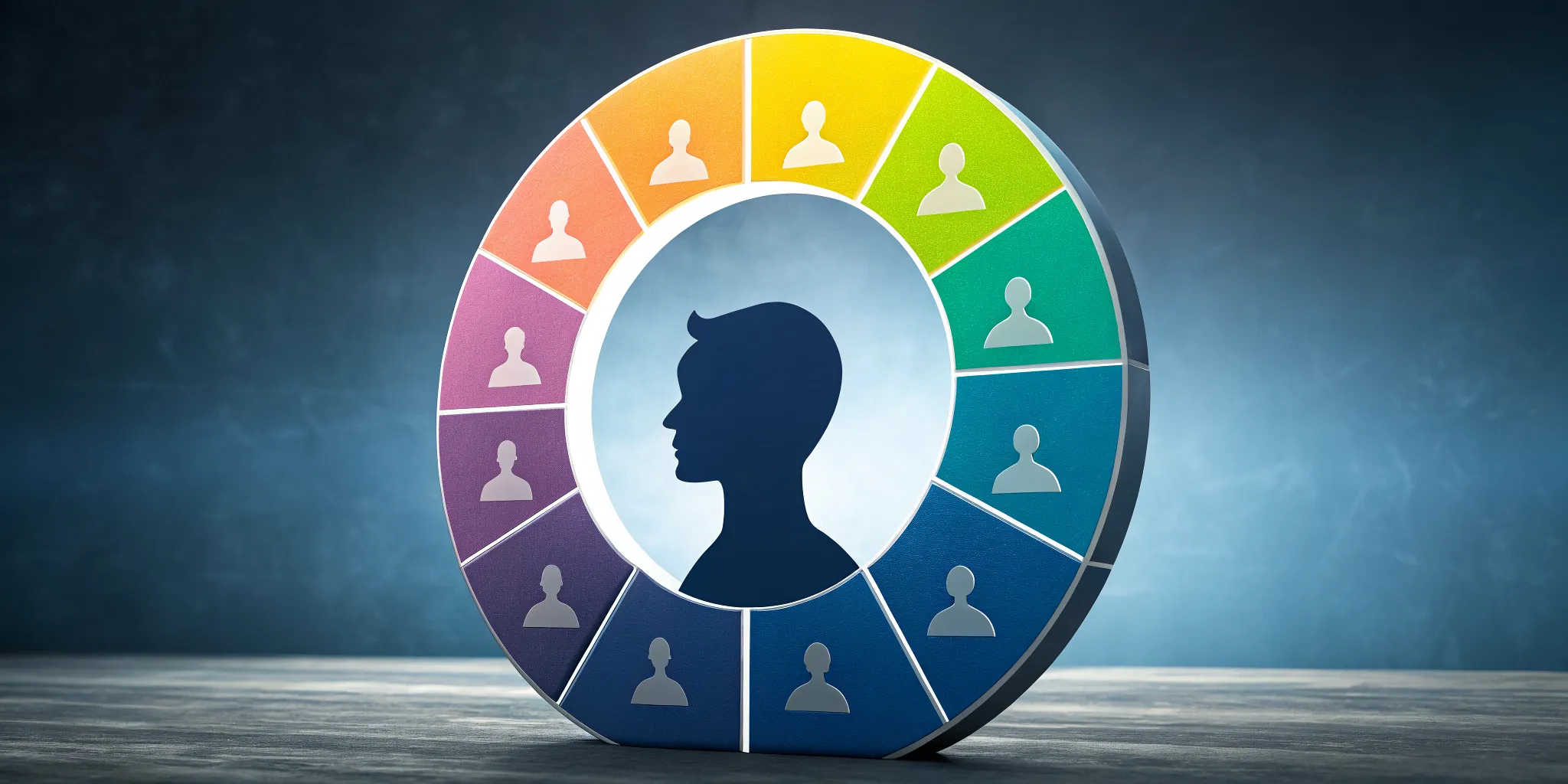
If you feel like you’re talking to a wall instead of your customers, it might be because you only know who they are, not what makes them tick. This is where psychographic segmentation comes in. It’s a research method that groups your customers based on their internal characteristics: their beliefs, values, lifestyle, interests, and opinions. Instead of just looking at surface-level data, you get a much clearer picture of the person behind the purchase.
Think of it this way: demographic data tells you that your customer is a 45-year-old project manager living in Austin. Psychographic data tells you she values sustainability, spends her weekends hiking, and follows tech innovators on LinkedIn. Which set of information is more helpful when you’re trying to craft a message that resonates? By understanding these psychological drivers, you can stop guessing and start connecting with your audience on a deeper level. This approach is a core part of building a data-driven sales playbook that actually works, because it focuses on the motivations that drive buying decisions.
The Four Main Types of Market Segmentation
While psychographics give you the "why," they work best when combined with other segmentation methods. Think of these four types as layers that, when stacked together, create a complete and actionable customer profile. Each one gives you a different piece of the puzzle, helping you refine your strategy from a broad overview to a highly specific target. Understanding how they all fit together is fundamental to building a GTM strategy that drives predictable growth and fosters genuine customer relationships.
Demographic Segmentation
Demographic segmentation is likely the one you’re most familiar with. It organizes your market based on objective, statistical data like age, gender, income level, education, and occupation. This information is essential for understanding the basic composition of your audience and estimating market size. For example, knowing the average income of your target customer helps with pricing strategy, while understanding their job titles can inform your B2B messaging. However, demographics only tell you who your customers are, not what they care about. It’s a critical first step, but it’s just the starting point for building a truly effective go-to-market plan.
Geographic Segmentation
Geographic segmentation groups your audience based on their physical location. This can be as broad as a country or continent, or as specific as a city, zip code, or even a neighborhood. For a SaaS company, this might mean tailoring your marketing to address regional data privacy regulations or targeting tech hubs like Silicon Valley or New York City. It also informs sales territory planning and helps you understand how location-based factors, like local economic conditions or industry concentrations, might influence purchasing decisions. Like demographics, it provides important context but doesn't explain individual motivations within those locations.
Psychographic Segmentation
This is where we get to the heart of the matter. Psychographic segmentation moves beyond the "who" and "where" to uncover the "why." It groups people based on their internal, psychological traits: their values, beliefs, lifestyle, interests, and attitudes. This is the data that tells you why one person chooses your product over a competitor's. It reveals whether your customers are early adopters who crave innovation or cautious buyers who prioritize stability. Understanding these drivers is the key to crafting messaging that truly connects and building a brand that inspires loyalty. It’s the foundation of a customer-centric approach that aligns your entire revenue team.
Behavioral Segmentation
Behavioral segmentation focuses on what your customers actually do. It tracks their actions and interactions with your company, such as their purchase history, product usage rates, feature adoption, and engagement with your website or emails. This data is incredibly powerful for optimizing the customer journey. For instance, you can identify your most loyal customers and create special programs for them, or you can spot users with low engagement and proactively offer support to prevent churn. By analyzing behavior, you can improve your product and sales process based on real-world usage, making your revenue operations more efficient and responsive.
The Building Blocks of a Psychographic Profile
So, what exactly are you looking for when you gather psychographic data? It’s all about the details that go beyond simple facts. You’re trying to understand your customers' priorities and what truly matters to them. The main components you’ll focus on are often called AIOs: Activities, Interests, and Opinions. Along with those, you’ll also look at personality, lifestyle, and social status. A beginner's guide can help you explore these variables in more detail, but they essentially cover how people spend their time, what they believe in, and how they see themselves in the world.
Psychographics vs. Demographics: What's the Difference?
It’s easy to confuse psychographics with demographics, but they answer very different questions. Demographics tell you who your customers are using objective facts like age, gender, income, and location. This information is great for understanding the size and basic composition of your market. Psychographics, on the other hand, explain why they make certain choices. They reveal the motivations, values, and attitudes that influence their behavior. While demographics can help you define your target market, psychographic segmentation is what helps you make your messaging, pricing, and product features more appealing to them.
Psychographics vs. Behavioral Data: How Do They Compare?
Behavioral data is another piece of the puzzle, and it’s also different from psychographics. Behavioral segmentation looks at what your customers do. This includes their purchase history, how often they buy, which brands they choose, and how they interact with your product. It’s all about their actions. Psychographics explain the why behind those actions. For example, behavioral data might show a customer consistently buys the premium version of your SaaS product. Psychographic data could reveal they do this because they see themselves as an early adopter who values having the most advanced tools. Using both gives you a complete picture and helps you build incredibly effective Go-To-Market strategies.
5 Psychographic Categories You Need to Know
To truly understand your customers, you need to move beyond basic demographics and explore the psychological drivers behind their decisions. Psychographic data isn't a single, messy pile of information; it’s organized into distinct categories that, when combined, create a rich, multi-dimensional view of your ideal customer. Think of these categories as different lenses you can use to see what motivates your audience. By examining each one, you can build a comprehensive profile that informs everything from your messaging to your product development, helping you create a more effective Go-To-Market strategy. Let’s break down the five main categories you need to know.
Lifestyle
Lifestyle data captures the day-to-day reality of your customers. It covers their routines, habits, and how they choose to spend their time and money. Are they a startup founder who works 16-hour days and relies on productivity hacks, or a corporate manager who prioritizes work-life balance? Someone who embraces a minimalist, eco-conscious life will respond to different product features and marketing messages than someone who seeks out luxury and convenience. Understanding these daily patterns helps you see exactly where your product fits into their life. This insight allows you to position your solution not just as a tool, but as an essential part of their routine.
Values and Beliefs
This category gets to the core of why people make certain choices. Values and beliefs are the deeply held principles that guide a person's worldview and decision-making. For a tech customer, this could be a strong belief in data privacy, a commitment to using open-source software, or a desire to support sustainable companies. When your brand’s values align with your customer's, you create a much stronger connection than a simple transaction. This is where you build loyalty. By understanding what your audience truly cares about, you can craft a brand narrative and mission that resonates on a deeper level and builds lasting trust.
Interests and Activities
What does your ideal customer do for fun? What blogs do they read, what podcasts do they listen to, and what industry conferences do they attend? This category, often called AIO (Activities, Interests, and Opinions), gives you a roadmap for reaching your audience where they already are. If you know your target buyers are active in specific LinkedIn groups or follow certain tech influencers, you know exactly where to focus your content and advertising efforts. This information is invaluable for shaping a content strategy that provides genuine value and positions your brand as a relevant, trusted voice within their communities.
Personality Traits
Personality traits are the consistent characteristics that define how someone engages with the world. Are they an innovator who loves being the first to try a new feature, or are they more cautious and prefer a stable, proven solution? Understanding these traits helps you anticipate how different customers will react to your product and marketing. This is especially critical in tech, where the technology adoption lifecycle separates early adopters from the more skeptical majority. Tailoring your messaging to different personality types, for instance, by highlighting cutting-edge features for innovators and emphasizing reliability for pragmatists, can make your sales process much more effective.
Social Status
This category isn't just about income level; it’s about perception, aspiration, and how people want to be seen by others. Social status influences what a customer perceives as valuable and what they are willing to pay for it. For example, one customer might be looking for a budget-friendly SaaS tool that gets the job done, signaling their scrappy, startup mentality. Another might prefer a premium, enterprise-level platform because it signals they are a market leader. Understanding these aspirational drivers allows you to develop a tiered pricing strategy and position your product in a way that aligns with the value and status your customers are seeking.
Why Does Psychographic Segmentation Matter for Revenue Growth?
Understanding who your customers are is a great start, but knowing why they make decisions is what truly drives revenue. While demographics tell you basic facts like age and location, psychographics uncover the motivations behind their buying behavior. This deeper layer of insight is the difference between a marketing message that gets ignored and one that inspires action. By grouping customers based on their values, interests, and lifestyles, you can move beyond a one-size-fits-all approach and start building strategies that resonate on a personal level.
This isn't just about better marketing. Psychographic insights inform everything from product development to customer support, creating a cohesive experience that makes customers feel genuinely understood. When you align your entire Go-To-Market strategy with the core drivers of your audience, you create a powerful engine for sustainable growth. You stop guessing what customers want and start delivering exactly what they need, often before they even ask for it. This proactive, data-informed approach is fundamental to scaling revenue and building a brand that lasts. It allows every team, from sales to product, to work from the same playbook, ensuring a consistent and compelling customer journey from the first touchpoint to the last.
Create Messaging That Truly Resonates
Generic messaging rarely makes an impact. To create campaigns that convert, you need to speak your customers' language and connect with what they truly care about. Psychographic segmentation gives you the key to do just that. It reveals your customers' lifestyles, interests, and core values, allowing you to tailor your messaging with incredible precision. According to research from Simon-Kucher, this understanding allows companies to create messages that really connect with specific groups. For example, if you know one segment values innovation and cutting-edge technology, your ads can highlight your product's futuristic features. For another segment that prioritizes work-life balance, you can focus your messaging on efficiency and time-saving benefits. This targeted communication makes your audience feel seen, building the trust needed to turn prospects into customers.
Find Your Perfect Product-Market Fit
Building a great product is only half the battle; you also need to ensure it solves a real problem for the right people. Psychographics help you understand the "why" behind customer choices, which is critical for strengthening your product-market fit. Instead of relying on assumptions, you can use these insights to guide your product roadmap and feature development. A guide from Qualtrics notes that this information is crucial for creating better products that truly resonate with your audience. By knowing what motivates your ideal customers, you can build solutions that fit seamlessly into their lives and workflows. This alignment reduces the risk of investing in features no one will use and ensures your product delivers tangible value, making it an indispensable tool for your target market.
Design Better Products and Programs
Building a great product is only half the battle; you also need to ensure it solves a real problem for the right people. Psychographics help you understand the "why" behind customer choices, which is critical for strengthening your product-market fit. Instead of relying on assumptions, you can use these insights to guide your product roadmap and feature development. By knowing what motivates your ideal customers—whether it's a desire for efficiency, a need for cutting-edge tools, or a commitment to security—you can build solutions that fit seamlessly into their lives and workflows. This alignment reduces the risk of investing in features no one will use and ensures your product delivers tangible value, making it an indispensable tool for your target market.
Build Stronger Brand Communities
People don't just buy products; they buy into identities and values. When you understand what your audience cares about on a personal level, you can stop broadcasting generic messages and start building a real community. Psychographic data reveals the shared interests and beliefs that bring people together, allowing you to create content, events, and conversations that foster a sense of belonging. According to research from Simon-Kucher, this deep understanding helps companies create messages that really connect with specific groups. When customers see their own values reflected in your brand, they become more than just buyers; they become advocates who will champion your product and mission within their own networks.
Develop More Stable, Long-Lasting Segments
Markets change, trends come and go, and even customer behaviors can shift overnight. But core values, beliefs, and personality traits are much more stable. Because of this, psychographic segments tend to last longer than those based on demographics or recent purchases. A customer’s age or job title might change, but their fundamental belief in sustainability or their personality as an early adopter likely won't. This stability provides a more reliable foundation for your long-term strategy. It allows for more accurate forecasting and helps you build a scalable revenue operation based on predictable customer groups, not fleeting trends. By investing in understanding these durable traits, you're building a go-to-market strategy that can stand the test of time.
Improve Customer Retention and Loyalty
Acquiring a new customer is great, but retaining them is where scalable success is built. Psychographic segmentation is a powerful tool for improving loyalty because it helps you create an experience that feels personal and supportive long after the initial sale. When customers feel that a brand truly understands their needs and values, they are far more likely to stick around. You can use psychographic data to personalize onboarding, tailor support interactions, and offer relevant upgrades or content that aligns with their goals. This consistent, value-driven relationship builds deep-seated trust. It transforms customers from simple users into brand advocates who not only stay with you but also recommend you to others, creating a powerful and cost-effective growth loop.
Which Industries Benefit Most From Psychographics?
Psychographic segmentation can give nearly any business a competitive edge, but its impact is especially powerful in certain industries. When your product or service is closely tied to a customer's identity, lifestyle, or core values, understanding their inner world becomes a direct path to revenue growth. These insights allow you to move beyond what customers do and connect with them based on who they are. The following sectors are prime examples of where psychographics can transform a go-to-market strategy from good to great, creating deeper connections and driving loyalty.
Technology and SaaS
In the tech and SaaS space, you aren't just selling a tool; you're selling a solution to a problem, a new way of working, or a competitive advantage. Psychographics help you understand the why behind a purchase. Is your ideal customer an early adopter who thrives on innovation, or are they a risk-averse manager focused on security and stability? Knowing this allows you to tailor your messaging and product development. By understanding the motivations and pain points of different user groups, you can create more personalized experiences that resonate on a deeper level, leading to higher engagement and conversion rates. This is fundamental for building a strong product-market fit and reducing churn.
Consumer Goods and Retail
For consumer brands, psychographics are the key to building a loyal community instead of just processing transactions. A customer's lifestyle, values, and interests directly influence their purchasing decisions for everything from coffee to clothing. For example, a shopper who values sustainability and clean ingredients will actively seek out brands that align with those beliefs. By understanding these drivers, companies can create more relevant marketing messages and product lines that reflect what their audience truly cares about. This approach fosters an emotional connection that turns one-time buyers into lifelong advocates for your brand.
Health and Wellness
The health and wellness industry is deeply personal, making psychographics an essential tool for connection. A person's decision to buy a fitness app, join a gym, or choose a nutritional supplement is driven by powerful internal motivations, such as a desire for self-improvement, a need to manage stress, or an aspiration for a certain lifestyle. Brands that tap into the psychographics of their audience can craft targeted campaigns that speak directly to these specific goals and concerns. This empathetic approach not only improves customer engagement but also builds the trust necessary for long-term loyalty in a competitive market.
Travel and Hospitality
In the travel and hospitality sector, no two customers are looking for the exact same thing. One traveler might be seeking a thrilling adventure, while another wants a peaceful retreat to relax and recharge. Psychographic segmentation allows businesses to move beyond basic demographics and cater to these diverse desires. By understanding if a customer is a budget-conscious explorer, a luxury seeker, or a family-focused vacationer, companies can better tailor their offerings and marketing. This personalization leads to more memorable experiences, higher customer satisfaction, and positive reviews that attract new business.
Psychographic Segmentation Examples in Action
Theory is one thing, but seeing how major brands use psychographics to build loyal followings is where the concept really clicks. These companies aren't just market leaders; they are masters of connection. They understand that people don't buy products simply for their features—they buy them because of how those products make them feel and what they say about who they are. By looking at their strategies, you can see how to move beyond selling a service and start building a brand that resonates on a much deeper, more human level. These examples show how to connect with customers based on shared values and aspirations, creating a bond that goes far beyond the initial transaction.
While these examples come from the consumer world, the principles are just as powerful in B2B tech. Behind every business decision is a person with their own career aspirations, professional anxieties, and personal values. A CTO who sees themself as an innovator will be motivated by different messaging than a CFO who prioritizes budget stability and risk mitigation. Understanding these underlying psychographics allows you to tailor your approach, whether you're crafting a marketing campaign or leading a sales call. It helps you speak directly to the human on the other side of the table, building the trust and rapport needed to close complex deals and foster long-term partnerships.
Nike: Selling a Lifestyle of Achievement
Nike has built an empire by selling an idea, not just shoes and apparel. While their demographic targets are broad, their psychographic focus is razor-sharp. They connect with individuals who are driven, passionate about sports, and see fitness as a core part of their identity. Nike’s marketing rarely focuses on the technical specs of a shoe; instead, it showcases the grit, determination, and triumph of the athletic spirit. Their iconic "Just Do It" slogan is a perfect example of psychographic messaging. It speaks directly to a mindset of ambition and perseverance, creating an emotional connection that makes customers feel like part of a global community of achievers. This strategy shows how to foster a lifestyle that turns customers into lifelong fans.
Patagonia: Connecting with Eco-Conscious Consumers
Patagonia has cultivated a fiercely loyal customer base by appealing to a very specific set of values: environmentalism, quality, and anti-consumerism. Their famous "Don't Buy This Jacket" campaign was a bold move that perfectly captured their brand ethos. By encouraging customers to repair their gear and buy only what they need, Patagonia aligns itself with an audience that prioritizes sustainability over fast fashion. This approach builds incredible trust with outdoor lovers who see their purchasing decisions as a reflection of their commitment to the planet. As Qualtrics points out, this strategy allows them to connect with consumers who are willing to invest in durable, ethically made products, proving that a strong value proposition can be more powerful than a low price tag.
Harley-Davidson: Building a Community Around Freedom
Harley-Davidson doesn't sell motorcycles; it sells a ticket to a lifestyle of freedom, rebellion, and adventure. The brand taps into a powerful psychographic profile: the individual who craves independence but also wants to belong to a tribe of like-minded people. Their marketing emphasizes the open road, personal expression, and the strong sense of community among riders. This focus on experience over product features has created a culture so strong that many customers tattoo the brand's logo on their bodies. By understanding their audience's deep-seated desire for a distinct identity, Harley-Davidson has successfully built a brand that represents more than just a mode of transportation—it represents a way of life.
BMW: Targeting Performance and Identity
While many car brands focus on safety or fuel economy, BMW has always targeted a specific psychographic segment: individuals driven by performance, mastery, and status. Their long-standing tagline, "The Ultimate Driving Machine," isn't just a slogan; it's a promise to a customer who values precision engineering and sees their vehicle as an extension of their identity. This customer is often ambitious, successful, and appreciates the finer things in life. According to SurveyMonkey, this approach allows BMW to appeal to people who are motivated by a sense of achievement and want their possessions to reflect that. By focusing on the feeling of power and control behind the wheel, BMW connects with buyers on an emotional level that transcends the simple act of driving.
Tailoring Your Message to Different Personas
As these examples show, the most successful brands understand that a one-size-fits-all message rarely works. Psychographic segmentation gives you the insight needed to tailor your communication with incredible precision. By understanding your customers' core values and motivations, you can craft campaigns that speak directly to what they care about. For a tech company, this might mean messaging your product's cutting-edge features to an innovative early adopter, while highlighting its reliability and security for a more cautious, risk-averse decision-maker. This level of personalization is what we help companies operationalize, integrating these deep customer insights directly into their sales playbooks to ensure every conversation is relevant and impactful.
How to Collect Psychographic Data You Can Actually Use
Understanding psychographics is one thing, but gathering that data is where the real work begins. It might sound complex, but you don’t need a PhD in psychology to get started. The key is to use a mix of methods to build a well-rounded picture of who your customers are and what drives them. Think of it as moving beyond the "what" (like their job title) to the "why" (like their career aspirations or biggest work frustrations). This deeper understanding is the foundation for creating messaging that truly connects and building a Go-To-Market strategy that delivers results. Let's walk through a few practical ways you can start collecting these valuable insights right now.
Ask the Right Questions with Surveys
One of the most direct ways to get psychographic data is simply to ask for it. Surveys and questionnaires allow you to pose targeted questions that get to the heart of your audience's beliefs, values, and motivations. While multiple-choice questions are great for quantifiable data, don't forget to include open-ended questions. Asking "What's your biggest challenge at work right now?" or "What do you value most in a software partner?" can provide rich, narrative answers that numbers alone can't capture. Keep your surveys focused and relatively short to encourage higher completion rates.
Best Practices for Survey Design
To get honest answers, you need to design a survey that’s easy and even enjoyable to complete. The best approach is to mix quantifiable questions with qualitative ones. While multiple-choice and rating scales give you clean data you can analyze quickly, don't forget to include open-ended questions. These are your goldmines for rich, contextual insights. As we often say, one of the most direct ways to get psychographic data is simply to ask for it. Keep your survey focused and respect your audience's time by making it as short as possible. And consider offering a small incentive, like a discount or entry into a giveaway, to thank them for their valuable feedback. A well-designed survey shows you respect your customers' input, which helps build trust from the start.
Example Survey Questions
The type of question you ask determines the kind of insight you'll get. To build a complete profile, it's smart to use a variety of formats. For example, you can use different types of questions to uncover specific attitudes. A Likert scale question like, "Rate your agreement: It’s important that our software tools reflect our company’s values," measures beliefs. A semantic differential scale, such as "Our current project management tool feels: [Clunky] to [Seamless]," can capture feelings about a product experience. And don't underestimate the power of a simple open-ended question. Asking, "Tell us about the last time you switched software providers—what was the deciding factor?" lets customers explain their motivations in their own words, giving you powerful, unfiltered feedback.
Listen to Social Media Conversations
Your audience is already sharing a wealth of psychographic information on social media. By listening to conversations on platforms like LinkedIn or X (formerly Twitter), you can get an unfiltered look at their interests, opinions, and pain points. Pay attention to the industry leaders they follow, the articles they share, and the comments they leave on relevant posts. This method helps you uncover the psychographic profiles of your audience in their natural environment, giving you authentic insights you can use to refine your messaging and content strategy.
Get Deeper Insights with Interviews & Focus Groups
While surveys give you scale, interviews give you stories. Setting up focus groups or one-on-one conversations with current or potential customers is an invaluable way to collect qualitative data. These discussions allow you to explore the motivations, emotions, and frustrations that drive their decisions. You can ask follow-up questions and dig deeper into their responses to understand the "why" behind their behaviors. These personal narratives add color and context to your data, helping your entire team develop genuine empathy for the customer.
Example Interview Questions
When you sit down with a customer, your goal is to get them talking. The best questions are open-ended and encourage them to share stories rather than just give one-word answers. Instead of asking if they like a feature, ask them how it fits into their daily workflow. The goal is to uncover their true priorities by asking questions that draw out rich, personal narratives. These stories add the color and context that numbers alone can't provide. To get you started, here are a few examples:
- To understand their values: "What do you value most in a software partner?" or "When you think about the tools you rely on, what makes a product indispensable?"
- To uncover their challenges: "What is the biggest obstacle your team is facing right now?" or "Walk me through a recent project that was more difficult than it should have been. What happened?"
- To learn about their goals: "What does success look like for your team in the next year?" or "If you had a magic wand, what one process would you fix in your company?"
Connect Your Data for a Fuller Picture
Psychographic data becomes truly powerful when you layer it with other information you already have. Don't let your psychographic insights live in a silo. To get a complete 360-degree view of your customer, it's important to combine psychographic data with demographic details (like company size or job title), behavioral data (like website activity), and transactional data (like purchase history). This holistic approach allows you to see the full picture, create more precise customer segments, and develop strategies that speak to every facet of your customer's identity.
Helpful Tools for Analyzing Your Data
Collecting data is just the first step; you also need a way to analyze it effectively. A spreadsheet might work when you're starting out, but as you scale, you'll want to use more robust tools. Customer Relationship Management (CRM) platforms, survey software, and social media listening tools can help you organize your data and spot meaningful trends. Effective data analysis allows you to connect the dots between different data sets, revealing patterns that can inform everything from your sales process to your product roadmap.
Ensure Your Research is Credible
Gathering psychographic data is only useful if the information you collect is accurate. Making strategic decisions based on flawed or biased research is worse than having no data at all. Your goal is to get an authentic look into your customers' worlds, and that requires a commitment to quality. Whether you're designing surveys, conducting interviews, or analyzing social media, always question the source and look for patterns. The best way to ensure credibility is to cross-reference your findings. When the pain points mentioned in customer interviews align with the trends you see in survey results, you can be confident you’re building a strategy based on a solid foundation. This holistic approach validates your insights and ensures you're acting on a true representation of your audience's motivations.
How to Build Your Psychographic Segmentation Strategy in 5 Steps
Alright, you’ve collected the data, and you see the potential. But how do you turn those raw insights into a coherent strategy that actually grows revenue? It’s about being methodical. Building a psychographic segmentation strategy isn’t a one-afternoon task, but it’s the foundation for creating a sales and marketing engine that truly connects with your buyers on a human level. By following a clear, step-by-step process, you can translate what you know about your customers’ mindsets into a powerful Go-to-Market plan.
This approach ensures your efforts are not just based on assumptions but are grounded in a real understanding of what drives your audience. It’s about moving from who your customers are to why they buy. Let’s walk through the five essential steps to build a strategy that aligns your product, messaging, and sales process with the people you want to reach. This is how you create the cross-functional alignment and scalable success that our proven frameworks are all about.
Step 1: Define Your Ideal Customer
Before you can segment your audience, you need a clear picture of who you’re talking to in the first place. This starts with developing your Ideal Customer Profile (ICP) and buyer personas. Go beyond basic demographics like job titles and company size. The goal here is to create fictional but realistic customer profiles that describe who they are, what they value, and what influences their choices.
What are their primary goals at work? What personal ambitions drive them? Are they early adopters who crave innovation, or are they cautious decision-makers who prioritize stability and proven results? Answering these questions helps you build a foundational understanding that informs every subsequent step. Think of it as creating a character sketch for your perfect customer before you write the story.
Step 2: Collect and Organize Your Data
With your ICP in mind, it’s time to gather the specific psychographic data that will bring your segments to life. You can use a mix of methods to get this information. Surveys and questionnaires are fantastic tools; you can use open-ended questions to gather rich details about people's beliefs and values. Customer interviews and focus groups also provide invaluable qualitative insights that numbers alone can’t capture.
As you collect this data, organize it systematically. You can use spreadsheets or a CRM to tag contacts with specific traits, interests, or attitudes you uncover. The key is to create a clean, organized dataset that allows you to easily spot trends and commonalities later on. This structured approach makes the next step, analysis, much more straightforward.
Step 3: Group Your Audience into Segments
Now for the fun part: finding the patterns. Sift through your organized data to group people with similar psychographic traits. You’re looking for the common threads that tie different individuals together. For example, you might identify a segment of "Pragmatic Planners" who are risk-averse and value long-term stability. Another segment could be the "Ambitious Innovators," who are motivated by cutting-edge technology and gaining a competitive advantage.
Don’t feel pressured to create a dozen different segments. Start with three to five distinct, meaningful groups. Each segment should be different enough from the others to justify a unique approach. The goal is clarity, not complexity. Make sure each segment is large enough to be commercially viable and accessible for your sales and marketing teams.
Step 4: Align Segments with Your GTM Strategy
This is where your psychographic insights become a strategic asset. For each segment you’ve created, you need to map their unique profile to your Go-to-Market strategy. Because psychographics reveal your customers' lifestyles, interests, and values, they help you understand why they make certain choices. This "why" is your key to connecting with them effectively, a core principle of our Go-to-Market consulting.
For your "Pragmatic Planners," your GTM motion might emphasize security, ROI, and customer support. You’d lead with case studies and detailed implementation plans. For the "Ambitious Innovators," you’d focus on product vision, unique features, and the potential for transformation. Your messaging would highlight competitive differentiation and thought leadership. Each segment’s psychographic profile should directly influence the channels you use, the content you create, and the sales approach you take.
Step 5: Write Custom Messages for Each Segment
Finally, it’s time to speak your customers’ language. Generic messaging falls flat because it tries to appeal to everyone and ends up connecting with no one. Psychographic segmentation allows you to create messages and ads that resonate deeply because they reflect the specific values and motivations of each group. Your "Pragmatic Planners" don’t want to hear about disruption; they want to hear about reliability. Your "Ambitious Innovators" aren’t moved by stability; they’re excited by what’s next.
Review your website copy, email campaigns, ad creative, and sales scripts. Do they speak directly to the core drivers of each segment? Adjust your value propositions to highlight the benefits that matter most to them. This tailored approach makes your audience feel seen and understood, building the trust needed to turn prospects into loyal customers.
Common Pitfalls of Psychographic Segmentation
While psychographic segmentation is a powerful tool, it’s not without its hurdles. Understanding these potential roadblocks is the first step to creating a strategy that is both effective and sustainable. Unlike collecting simple demographic data, digging into the "why" behind customer behavior requires a more nuanced approach. But don't worry, these challenges are completely manageable when you know what to look for and how to prepare. By anticipating these issues, you can build a more resilient and insightful segmentation model that truly supports your revenue goals.
Respecting Customer Privacy
It’s one thing to ask for a customer's location or job title; it’s another to ask about their core values, fears, and aspirations. Gathering psychographic data is inherently more complex because it deals with personal and subjective information. You can't just pull it from a standard database. This often requires direct methods like surveys and interviews, which take time and resources. Furthermore, you're handling sensitive information, which brings up valid privacy concerns. Customers are increasingly protective of their personal data, and asking about their beliefs and lifestyle requires a transparent approach to build and maintain trust.
Avoiding Vague or Overlapping Segments
People are complicated, and they rarely fit into neat little boxes. A common challenge is discovering that your carefully crafted segments have significant overlap. For example, your "Ambitious Go-Getters" might share many of the same interests and activities as your "Creative Side-Hustlers," making it difficult to create distinct messaging. There's also a risk of oversimplifying complex human motivations. Because you're interpreting feelings and attitudes, two different team members could look at the same interview transcript and draw slightly different conclusions. This subjectivity means you need clear definitions and a consistent framework to avoid creating segments that are too vague to be useful.
Navigating the Subjectivity of Data
Because psychographics deal with attitudes and beliefs, they are naturally subjective. Two people on your team could look at the same customer interview transcript and come away with different interpretations of that person's motivations. This is a common challenge, as different people might interpret the data differently. Without a clear and consistent framework for analysis, you risk creating segments that are too fuzzy or vague to be actionable. To get around this, it's crucial to establish clear definitions for each psychographic trait you're tracking before you even begin your analysis. This ensures everyone on your team is working from the same playbook and that your segments are built on a shared, objective understanding of the data.
Understanding Its Predictive Limitations
Psychographic data is brilliant at explaining the "why" behind customer actions, but it’s not a crystal ball for predicting future behavior. For example, behavioral data might show a customer consistently buys your premium SaaS plan. Psychographics can tell you they do this because they see themselves as an innovator who values having the most advanced tools. However, knowing their motivation doesn't guarantee they'll buy your next product. This is why it's critical to use psychographics in combination with other data types. While it explains motivations, it might not always predict future actions perfectly. By pairing these insights with behavioral data, you get a more complete and reliable view of your customer.
Keeping Your Segments Up to Date
Psychographic profiles are not a "set it and forget it" project. People’s attitudes, values, and lifestyles change over time, influenced by everything from cultural trends to personal life events. A segment that was highly accurate last year might be outdated today. This means your segmentation strategy requires regular maintenance. You need a process to periodically review and update your segments to ensure they still reflect your audience's current mindset. Without this ongoing effort, your messaging could start to miss the mark, and you'll lose the precision that makes psychographics so valuable in the first place.
How to Overcome These Common Pitfalls
The best way to handle these challenges is with a thoughtful, multi-faceted approach to data collection. Don't rely on a single source of information. Instead, combine different methods to get a more complete picture. For example, you can use broad surveys to gather quantitative data on attitudes and then follow up with one-on-one interviews to understand the deeper context behind those responses. Using a mix of data collection methods like this helps validate your findings and adds rich, qualitative detail to your segments, making them more robust and reliable for your sales and marketing teams.
How to Fit Psychographics Into Your Sales Playbook
This is where the rubber meets the road. You've done the hard work of gathering data and creating segments, but those insights are only valuable if you put them into action. Integrating psychographics into your sales playbook transforms it from a static document into a dynamic tool that guides your team to have more meaningful, effective conversations. It’s about moving beyond what your customers do and understanding why they do it, then using that knowledge to shape every interaction.
This process isn't just about tweaking a few lines in your call scripts. It’s a strategic shift that aligns your entire revenue engine around the customer's mindset. When your sales team understands the core values, motivations, and pain points of each segment, they can adapt their approach on the fly. They can speak directly to a prospect's aspirations or anxieties, building rapport and trust much faster. This is how you create a truly customer-centric sales motion that feels less like a pitch and more like a partnership. By embedding these insights into your daily operations, you equip your team to close deals more efficiently and build stronger, more loyal customer relationships. This is a core part of our proven frameworks for scalable success.
Integrate Segments into Your RevOps
Your revenue operations function is the engine that powers your sales team. Aligning your psychographic segments with your RevOps strategy ensures that this engine is running on the right fuel. Psychographic segmentation reveals your customers' lifestyles, interests, and values, helping you understand why they make certain choices. When you know that one segment values innovation and early adoption while another prioritizes stability and ROI, you can tailor your operational workflows accordingly. This means customizing lead scoring, routing rules, and even your CRM fields to capture and act on these nuanced insights. This alignment ensures your entire strategy for revenue growth is cohesive, from the first touchpoint to the final sale.
Use Psychographic Insights to Refine Your Sales Process
A generic sales process gets generic results. Psychographic insights give you the power to refine your process for each specific customer profile. It helps you connect with different groups of people in ways that really matter to them. For example, a segment driven by social status might respond best to case studies featuring well-known brands, while a segment focused on efficiency will want to see a clear, data-backed demo of your product's time-saving features. By understanding what your customers truly want, you can equip your sales team with the right questions to ask, stories to tell, and proof points to share. This level of personalization makes your sales playbook enablement far more effective, turning every conversation into an opportunity to build a genuine connection.
Create a Multi-Channel Plan for Each Profile
Your customers don't exist in a single channel, and neither should your outreach. Psychographics help you understand where each segment spends their time and what kind of content they engage with. A younger, tech-savvy segment might be active on LinkedIn and responsive to short-form video content, while a more traditional, C-suite segment may prefer detailed whitepapers delivered via email. Using psychographic insights allows you to create messages and content that truly connect with specific groups. This informs a multi-channel approach where your messaging is consistent yet tailored to the platform. By meeting your customers where they are with content that speaks their language, you create a seamless experience that strengthens your Go-To-Market consulting and drives higher engagement and loyalty across the board.
Turn Psychographic Insights Into Scalable Revenue
Understanding your customer on a human level is the key to sustainable growth. Psychographic segmentation moves you beyond what your customers do and reveals why they do it. This is where the real magic happens. When you understand why customers make certain choices, you stop guessing and start connecting. Your messaging becomes more precise, your product development becomes more intentional, and your sales conversations hit the mark every time. This isn't about a single successful campaign; it's about building a revenue engine that runs on genuine customer insight.
By translating these insights into your go-to-market strategy, you can create focused marketing campaigns that resonate deeply with each segment. Instead of a one-size-fits-all approach, you can speak directly to the values, challenges, and aspirations that drive your ideal buyers. This alignment between what your customer cares about and what your company offers is what turns prospects into loyal advocates. It’s how you build a scalable, repeatable process that not only acquires customers but also retains them for the long haul, creating a powerful flywheel for revenue growth.
Related Articles
- SaaS Go-To-Market Strategy: A Step-by-Step Plan
- Go-to-Market Strategy for SaaS: A Complete Guide
- How to Build a Customer Expansion Strategy
- Expand Customer Base Meaning: A Guide to Growth
Frequently Asked Questions
How is this different from creating a buyer persona? That’s a great question because the two are closely related but serve different functions. Think of a buyer persona as the foundational sketch of your customer, often built with demographic and behavioral data like their job title, company size, and buying habits. Psychographics add the color and depth to that sketch. They explain why your persona has those habits and what truly motivates them, like their desire for innovation or their need for stability. A persona tells you who you're talking to; psychographics tell you how to talk to them.
This seems like a big project. Is it worth the effort for a smaller company? It absolutely is, and you don't have to do everything at once. For a smaller company, the focus and clarity you gain from even basic psychographic research can be a huge advantage. Instead of spending your limited budget trying to appeal to everyone, you can concentrate your efforts on the specific group of people who are most likely to become your best customers. Starting small, perhaps by interviewing a handful of your favorite clients, can give you powerful insights that shape your messaging and help you grow more efficiently.
What's a simple, low-cost way to start gathering this data? You can start right now by talking to your existing customers. Schedule brief, 15-minute calls with a few of your most successful clients and ask them open-ended questions. Ask what they value most in a partner, what their biggest career goals are, or what industry content they find most interesting. Another simple method is to add one or two psychographic questions to your existing contact or demo request forms. Even small bits of information, gathered consistently over time, can begin to paint a much clearer picture of your audience.
How do I know if my psychographic segments are actually working? The results will show up in your key metrics. When your segments are effective, you should see higher engagement rates on your marketing campaigns because the messaging is more relevant. You might notice that leads from a specific segment move through your sales funnel faster or have a higher conversion rate. Over the long term, you should also see an improvement in customer retention and loyalty, as the product and experience you deliver will be better aligned with what your customers truly value.
How does knowing a prospect's psychographics actually change a sales call? It changes the entire conversation from a generic pitch to a tailored consultation. For example, if you know you're speaking with someone from your "Ambitious Innovator" segment, you can focus the call on your product's cutting-edge features and how it will give them a competitive edge. If you're talking to a "Pragmatic Planner," you would instead emphasize security, ROI, and seamless implementation. This understanding allows you to address their specific motivations and anxieties, build trust faster, and show them you have the exact solution for their unique needs.