

In many tech companies, sales doesn't operate in a vacuum, but it often feels that way. Marketing generates leads that sales claims are unqualified. Sales closes deals that customer success says are a poor fit, leading to churn. This friction between departments is a silent killer of growth, and it stems from a lack of a unified plan. A powerful sales strategy isn't just for sellers; it's the connective tissue for your entire Go-To-Market motion. The work of Sales Strategy Consulting is to build this alignment, ensuring every team agrees on the ideal customer, the core value proposition, and the end-to-end customer journey.
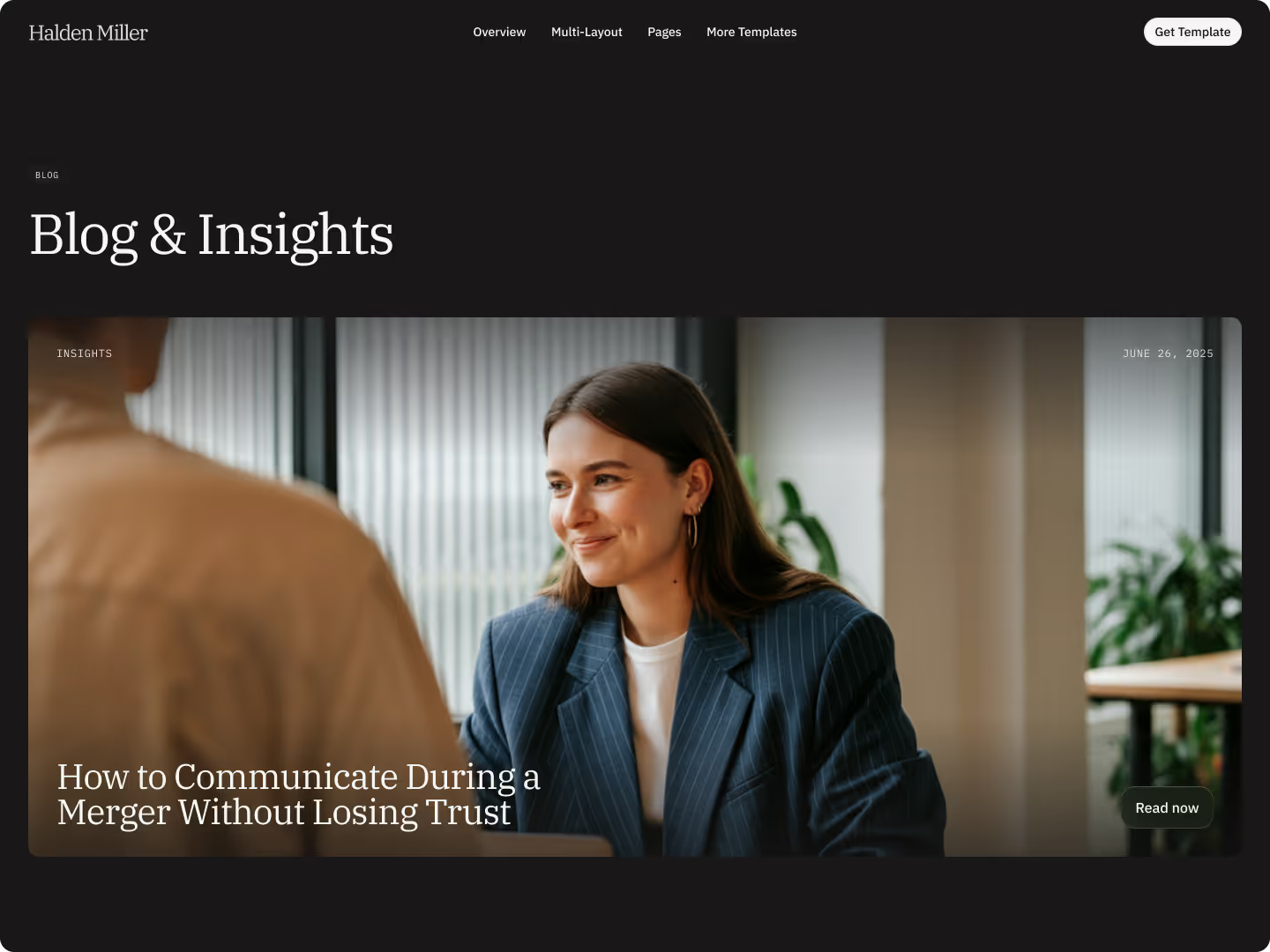
In M&A, How You Communicate Is Everything
Mergers succeed or fail on trust. And trust is built — or lost — in how leaders communicate when change is most visible. If you want people to follow, give them more than numbers. Give them a story they can believe in and steps they can rely on.
Why Your Communication Plan Needs a Head Start
Most leaders wait until the deal is signed to talk. By then, people have already filled the silence with speculation. Even if you can’t share every detail, acknowledge the process early. A simple “Here’s what we know, here’s what we don’t, and here’s when we’ll update you” goes further than silence.

First, Get Your Leadership on the Same Page
Mixed signals from the top are deadly. Before anyone speaks externally, leadership must agree on the core story: the reason for the deal, the intended benefits, and the immediate next steps. If leaders contradict each other, trust collapses instantly.
Press releases and investor briefings are necessary, but employees and clients need a different message. Translate the business logic into human terms: What does this mean for my job? My team? My contract? Avoid the trap of one-size-fits-all messaging.
The first announcement isn’t the end — it’s the beginning. Keep communication consistent, scheduled, and two-way. Regular updates, Q&A sessions, and transparent progress reviews prevent fear from creeping back in. Silence after Day One is almost as damaging as silence before it.
Show the Roadmap, Not Just the Destination
Big promises about “new opportunities” ring hollow if people don’t see how they’ll get there. Be specific about timelines, integration steps, and what will remain unchanged. Certainty in the short term matters more than grand visions of the future.

Day One Is Over. Now What?
The first announcement isn’t the end — it’s the beginning. Keep communication consistent, scheduled, and two-way. Regular updates, Q&A sessions, and transparent progress reviews prevent fear from creeping back in. Silence after Day One is almost as damaging as silence before it.
What is Sales Strategy Consulting?
At its core, sales strategy consulting is about designing a clear and repeatable plan for how your company wins revenue. It’s not just about motivating your sales team; it’s about building the entire system that enables them to succeed. A strong sales strategy moves you from relying on individual heroics to creating a predictable revenue engine. This involves a deep analysis of your current state and a clear roadmap for the future. According to experts at NMS Consulting, this process involves setting realistic targets, defining your routes to market, establishing pricing, mapping out the sales process, and creating the key performance indicators (KPIs) that measure success. It’s the architectural blueprint for your entire sales function, ensuring every action is deliberate and aligned with your company's growth goals.
The Scope: From Go-To-Market to KPIs
A comprehensive sales strategy touches every part of your revenue engine. It starts with your Go-To-Market (GTM) plan, which defines who your ideal customers are and how you’ll reach them. From there, it drills down into the specifics of your sales process, from initial lead generation to closing the deal and managing the account. This includes creating sales playbooks, training materials, and compensation plans that motivate the right behaviors. As consulting firm Korn Ferry points out, true success happens when a company’s sales strategies, processes, and people are all working in harmony. This alignment ensures that your team isn't just busy, but productive, and that every effort contributes directly to the bottom line.
Adopting the Consultative Sales Approach
The most effective modern sales teams have shifted their mindset from pitching products to solving problems. This is the essence of consultative selling, an approach that prioritizes understanding a customer's needs and building a trusted relationship. Instead of leading with a demo or a feature list, a consultative seller leads with insightful questions. They act more like a doctor diagnosing a problem than a salesperson pushing a solution. This method, as described by The Brooks Group, builds a foundation of trust that makes the sales process feel less like a transaction and more like a partnership. When customers feel genuinely understood, they are far more likely to see the value in your offering and view you as a long-term advisor.
Becoming a Trusted Advisor, Not a Product Pusher
To become a trusted advisor, you must shift your focus from your own sales targets to your prospect's business outcomes. This means doing your homework before the first call to understand their industry, their company's challenges, and their role. During conversations, your goal is to uncover the root cause of their pain points, not just the surface-level symptoms. By offering insights and reframing their problems in new ways, you provide value even before they’ve spent a dime. This positions you as an expert resource, someone they can turn to for advice, which is a much stronger position than being just another vendor in their inbox.
Using the 70/30 Rule to Listen and Diagnose
A simple but powerful guideline for consultative selling is the 70/30 rule. This principle suggests that the prospect should be doing about 70% of the talking, while you spend your 30% asking thoughtful, open-ended questions and actively listening. As noted by Consulting Success, this balance allows you to fully understand their challenges, motivations, and goals. Resist the urge to jump in with a solution the moment you hear a problem. Instead, dig deeper. Ask "Why is that a priority now?" or "What would happen if you didn't solve this?" This deep listening not only gives you the information you need to tailor your solution but also makes the prospect feel heard and valued.
Building and Managing a High-Performing Sales Pipeline
A healthy sales pipeline is the lifeblood of any growing tech company. It provides visibility into future revenue and helps you allocate resources effectively. Building one starts with a disciplined, systematic approach to identifying, engaging, and qualifying potential customers. It’s not about filling the top of the funnel with as many names as possible; it’s about filling it with the *right* names. Managing the pipeline requires consistent tracking, clear stage definitions, and an honest assessment of which deals are likely to close and which are stalling. A well-managed pipeline allows you to forecast accurately and make proactive decisions rather than reactive ones when you're facing a revenue shortfall.
Start by Defining Your Ideal Customer Profile (ICP)
Before you can find the right customers, you have to know who they are. Defining your Ideal Customer Profile (ICP) is the critical first step. An ICP is a detailed description of the perfect company for your product or service, including industry, size, revenue, and specific pain points you solve. According to Salesmate, a clear ICP helps shorten your sales cycle because you're focusing your energy on prospects who are most likely to buy and succeed with your solution. Don't confuse this with a buyer persona; the ICP defines the *company*, while the persona defines the *people* within that company you need to engage.
Balancing Inbound and Outbound Strategies
A robust pipeline relies on a mix of both inbound and outbound lead generation. Inbound marketing—like content, SEO, and social media—draws potential customers to you when they are actively searching for solutions. Outbound sales involves proactively reaching out to prospects from your ICP list who may not be aware of you yet. While inbound leads are often warmer, an outbound strategy gives you control over who you talk to, allowing you to target high-value accounts directly. The right balance depends on your business model and market, but relying on only one channel leaves you vulnerable and limits your growth potential.
Qualifying Leads with Frameworks like BANT
Not every lead is a good lead. Wasting time on prospects who can't or won't buy is a major drain on sales productivity. This is where qualification frameworks come in. A classic and effective framework is BANT, which stands for Budget, Authority, Need, and Timeline. By asking questions to uncover these four elements, you can quickly determine if a lead is worth pursuing. As Salesmate suggests, using a framework like BANT helps you prioritize your efforts on the opportunities with the highest probability of closing, making your entire sales process more efficient and predictable.
Setting Realistic Outreach Goals with the 10-3-1 Rule
Consistency is key in sales, but it helps to have a realistic benchmark for your efforts. The 10-3-1 rule is a helpful guideline for managing expectations in outbound prospecting. As explained by Outreach, the rule suggests that for every 10 prospects you contact, you can expect about three to show interest or respond, and from those, one will likely convert into a qualified meeting or opportunity. This isn't a rigid law, but it helps teams understand the volume of activity required to hit their targets. It prevents discouragement by framing rejection as a normal and expected part of the process, encouraging persistence and consistent effort.
Effective Sales Tactics and Proposals That Close Deals
Once you have a qualified opportunity, the focus shifts to converting it into a closed deal. This is where your sales tactics and proposal process are put to the test. An effective proposal does more than just list prices; it tells a compelling story that connects the prospect's challenges directly to your solutions and demonstrates a clear return on investment. The goal is to make the decision to work with you feel like the obvious, logical next step. This requires a deep understanding of the client's needs, a clear value proposition, and a process that builds confidence and removes friction from the buying journey.
Using a "Discovery Offer" to Build Initial Trust
Asking a new prospect to sign a large, long-term contract can be a big leap of faith. A great way to bridge this gap is with a "Discovery Offer." This is a small, low-risk, high-value initial project, like a paid audit, a strategy workshop, or a small pilot program. As recommended by Consulting Success, this approach allows the client to experience your work firsthand without a major commitment. It builds trust, demonstrates your expertise, and often uncovers deeper insights that can lead to a much larger engagement down the road. It’s a powerful way to turn a cold lead into a warm, confident buyer.
Providing Three Options to Frame the Decision
When presenting your proposal, avoid giving a single, take-it-or-leave-it price. Instead, frame the decision by offering three tiered options. This psychological technique, often called "good, better, best," shifts the client's thinking from "Should we work with them?" to "How should we work with them?" The middle option should be the one you expect them to choose, with a lower-tier option for the budget-conscious and a premium option that showcases the full potential of your partnership. This gives the client a sense of control and makes them feel like they are making a smart, informed choice.
Focusing Proposals on Client ROI, Not Your Bio
Your proposal should be all about the client, not about you. While it's tempting to fill pages with your company's history and accolades, the client is primarily interested in one thing: results. As Salesmate advises, your proposal should focus on their problems, your proposed solutions, and the tangible business outcomes they can expect. Frame everything in terms of their return on investment (ROI). Use their language, reference your earlier conversations, and make it crystal clear how your services will help them achieve their specific goals, whether that's increasing revenue, reducing costs, or improving efficiency.
Co-creating Solutions to Ensure Client Buy-in
The best solutions are developed with the client, not for them. Throughout the sales process, involve your key stakeholders in shaping the proposal. Ask for their feedback on your understanding of the problem and your proposed approach. This collaborative process ensures that the final solution is perfectly aligned with their needs and expectations. More importantly, it creates a sense of shared ownership. When clients feel like they've had a hand in creating the plan, they are far more invested in its success and are much more likely to champion it internally.
Packaging Services for Clarity and Simplicity
Confused buyers don't buy. Make your services easy to understand by packaging them into clear, distinct offerings with descriptive names. Instead of selling "10 hours of consulting," sell a "Go-To-Market Strategy Blueprint" or a "Sales Playbook Development Package." This productizes your services, making them feel more tangible and easier to evaluate. Each package should have a clear scope, defined deliverables, and transparent pricing. This simplicity removes ambiguity from the buying process, builds confidence, and makes it easier for your champion to get approval from their leadership.
The Critical Importance of Follow-Up
Many promising deals fall apart not because of a lack of interest, but a lack of follow-up. In a world of overflowing inboxes and competing priorities, it's easy for your proposal to get lost in the shuffle. Persistent, professional follow-up is what separates top performers from the rest of the pack. It’s not about being annoying; it’s about being a helpful, persistent resource who keeps the conversation moving forward. A structured follow-up process demonstrates your commitment and ensures that your opportunity doesn't die on the vine due to simple inertia. It’s often the final, critical piece that turns a "maybe" into a "yes."
Why 92% of Salespeople Give Up Too Soon
The statistics on follow-up are staggering. According to Consulting Success, a massive 80% of sales are made between the fifth and twelfth contact. Yet, an estimated 92% of salespeople give up after the fourth "no." This disconnect represents a huge opportunity. The reality is that buyers are busy, and a lack of response doesn't always mean a lack of interest. By understanding that it takes multiple touchpoints to close a deal, you can build a follow-up strategy that outlasts your competition and engages prospects at the moment they are finally ready to act.
Planning for 5-12 Value-Added Contacts
A successful follow-up strategy is more than just sending emails that say "just checking in." Each point of contact should provide some form of value. Plan for a sequence of 5 to 12 touches over several weeks or months. You can share a relevant article, a case study from a similar company, an invitation to a webinar, or a new insight about their industry. This approach keeps you top-of-mind without being pushy. It reinforces your position as a helpful expert and builds the relationship, so when the timing is right for them, you're the first person they call.
Optimizing Your Sales Team Structure and Operations
A winning sales strategy is only as good as the team and the systems that execute it. Optimizing your sales team structure and operations—often called Revenue Operations or RevOps—is about creating a frictionless environment where sellers can thrive. This means defining clear roles, creating fair and motivating compensation plans, and implementing technology that automates administrative tasks and provides valuable insights. When your operations are streamlined, your sales team can spend less time on internal processes and more time doing what they do best: selling. This is a key part of building a scalable and predictable revenue growth engine.
Defining Roles and Compensation for Modern Buyers
The modern B2B buying journey is complex, often involving a committee of decision-makers. Your sales team structure should reflect this reality. This may mean having specialized roles like Sales Development Reps (SDRs) for prospecting, Account Executives (AEs) for closing deals, and Customer Success Managers (CSMs) for retention and expansion. As experts at Korn Ferry note, defining these roles and developing top talent is crucial. Your compensation plans should align with these roles, rewarding the specific behaviors that drive success at each stage of the customer lifecycle, from acquiring new logos to expanding existing accounts.
Using a CRM to Track, Automate, and Analyze
A Customer Relationship Management (CRM) system is the central nervous system of any modern sales organization. It's much more than a digital address book. A well-implemented CRM allows you to track every interaction with prospects and customers, automate repetitive tasks like follow-up emails, and manage your sales pipeline with clarity. As Salesmate highlights, using a CRM is essential for tracking progress and improving your sales process. The data within your CRM provides invaluable insights, helping you identify bottlenecks, forecast revenue accurately, and understand which activities are leading to the best results.
Modern Sales Strategies to Stay Ahead
The sales landscape is constantly changing, driven by new technologies and evolving buyer expectations. What worked five years ago may not be effective today. To stay ahead, tech companies need to embrace modern strategies that are personalized, data-driven, and value-focused. This means looking beyond traditional sales tactics and exploring new ways to engage customers, build authority, and create a competitive advantage. The companies that are willing to adapt and innovate in their sales approach will be the ones that capture market share and achieve sustainable growth in the years to come.
Leveraging AI for Personalized Content and Insights
Artificial intelligence is transforming sales by enabling personalization at scale. AI-powered tools can analyze vast amounts of data to help you identify the best prospects, predict which deals are likely to close, and even suggest the next best action for your sales reps to take. As noted by Boston Consulting Group, companies that use generative AI to make every customer interaction more relevant and insightful will be the winners of the future. From drafting personalized outreach emails to providing real-time coaching during sales calls, AI is becoming an indispensable tool for creating more meaningful and effective customer conversations.
Developing High-Value Strategic Partnerships
You don't have to go it alone. Strategic partnerships can be a powerful channel for growth, providing access to new markets and warm introductions to ideal customers. Look for non-competing companies that serve a similar ICP. This could be a technology partner whose product integrates with yours, or a consulting firm that advises your target audience. By building a strong partner ecosystem, you can create a valuable referral network that generates high-quality leads, adds credibility to your brand, and shortens your sales cycle. It's a win-win strategy that extends your reach far beyond your own sales team.
Establishing Authority Through Content Marketing
In an information-rich world, expertise is the new currency. Establishing your company as a thought leader is one of the most effective ways to attract high-quality inbound leads. As Consulting Success suggests, you can leverage content marketing to build authority by consistently sharing valuable insights through case studies, white papers, webinars, and blog posts. When you educate your market and help them solve their problems, you build trust and credibility. This makes them far more likely to think of you first when they are ready to buy, effectively turning your marketing into your best salesperson.
Frequently Asked Questions
My sales team has some amazing individual performers. Why do we need a formal sales strategy? Relying on individual heroics is unpredictable and doesn't scale. A formal sales strategy creates a system that everyone can follow, ensuring consistent results even as your team grows. It aligns your entire company, from marketing to customer success, on who your ideal customer is and how you provide value. This turns sales from a series of one-off wins into a predictable revenue engine that you can fine-tune and improve over time.
How can I transition my team from aggressive product-pitching to a more consultative sales style? The shift starts with changing the goal of the conversation from "closing a deal" to "solving a problem." Train your team to lead with insightful questions instead of a feature list. A great practical step is to implement the 70/30 rule, where the prospect does most of the talking. This forces your sellers to listen deeply, diagnose the root cause of a client's pain, and position themselves as trusted advisors, not just vendors.
We generate plenty of leads, but our revenue is still unpredictable. What's the disconnect? This is a classic sign of a pipeline problem, often stemming from a lack of qualification. A full pipeline doesn't mean much if it's filled with prospects who can't or won't buy. The solution is to first define your Ideal Customer Profile (ICP) so you're targeting the right companies. Then, use a simple framework like BANT (Budget, Authority, Need, Timeline) to ensure your team spends its valuable time on opportunities that have a real chance of closing.
My team is hesitant to follow up repeatedly because they don't want to be annoying. What's a better way to approach this? Reframe follow-up from "checking in" to "adding value." No one likes a pushy salesperson, but everyone appreciates a helpful expert. Instead of just asking for an update, each point of contact should offer something useful: a relevant article, a case study, or a new insight about their industry. This approach keeps the conversation going, reinforces your credibility, and ensures you stay top-of-mind without being a pest.
This seems like a lot to tackle. What is the most important first step in building a better sales strategy? Start by defining your Ideal Customer Profile (ICP). Everything else in your sales strategy, from your messaging to your outreach tactics, flows from a deep understanding of who you serve best. Getting your leadership team to agree on a crystal-clear description of your perfect customer is the foundational step that brings focus and alignment to all your sales and marketing efforts.
Key Takeaways
- Focus on solving, not selling: The most effective sales strategy is to become a trusted advisor. Prioritize understanding a client's true challenges by listening more than you speak, which builds the foundation for a long-term partnership.
- Create a predictable revenue engine: Move away from inconsistent results by building a disciplined process. This involves defining your ideal customer, qualifying leads with a clear framework, and committing to persistent, value-driven follow-up.
- Make buying from you easy: Simplify the decision-making process for your clients and your team. Package your services into clear, tangible offerings, present proposals with tiered options, and use a CRM to keep your operations running smoothly.
Related Articles
- Sales Strategy Consulting: An Ultimate Guide
- What Is Sales Oriented Management? A Guide – RevCentric Partners
- B2B Sales Process Consulting Services: A Plain-English Guide – RevCentric Partners